
Table of Contents
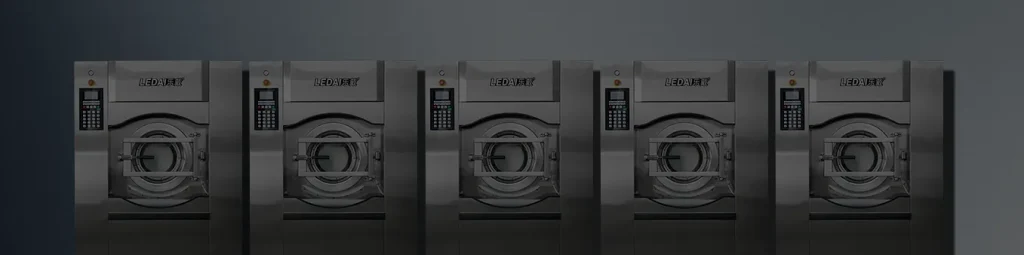
In the professional textile management industry, efficiency is dictated by the predictability of the wash load. One of the most common questions facility managers face revolves around the specific industrial laundry capabilities of their hardware. While modern industrial machines are engineering marvels capable of processing thousands of pounds of linen daily, they are not universal cleaning solutions. Understanding the distinction between what is technically “washable” and what is “industrial-ready” is the cornerstone of preserving both your expensive textile inventory and your high-capital machinery.
As we move into 2026, the complexity of fabric blends has increased, necessitating a more scientific approach to load classification. When an item that is incompatible with high-pressure extraction or aggressive chemical formulas enters the system, the results can be catastrophic—ranging from minor fabric pilling to major mechanical failures that halt production for days. To properly navigate these operational boundaries, it is essential to first understand what industrial laundry is in terms of its mechanical intensity compared to residential cleaning.
The “Green List”: Textiles Built for Industrial Laundry Capabilities
The backbone of any successful industrial operation consists of textiles engineered specifically for durability and high-turnover. These items are designed to withstand the “Three Pillars of Industrial Stress”: high-temperature water, concentrated alkaline chemicals, and intense centrifugal extraction forces.
High-Density Cottons and Polycottons
Most hotel linens, including bedsheets, pillowcases, and duvet covers, fall into this category. The standard 60/40 polycotton blend is the “gold standard” for industrial laundry capabilities. The polyester provides the structural integrity needed to survive 150+ wash cycles, while the cotton ensures the comfort and breathability expected by guests. These fabrics are exceptionally receptive to heavy bleaching and high-heat ironing, making them ideal for high-volume plants that prioritize speed and sanitization.
Synthetic Blends in Professional Workwear
Uniforms for the hospitality, automotive, and food service industries are typically made from heavy-duty twill or synthetic blends. These are among the safest items to wash in an industrial setting because they are pre-shrunk and treated for colorfastness. Because these garments often carry heavy soil loads, such as grease or food proteins, they are processed using specialized “break” chemicals that would dissolve standard domestic clothing. For a deeper look at the operational models that manage these uniforms, our 2026 strategy guide for on-premise vs. outsourcing provides a roadmap for business owners looking to optimize their garment care.
The “Amber List”: Items Requiring Specialized Formulas
Not everything that enters an industrial plant can be treated with a standard “one-size-fits-all” wash cycle. The “Amber List” represents textiles that are safe for industrial machines but require highly specific programming to prevent the loss of their specialized properties.
Flame Retardant (FR) Clothing and PPE
Personal Protective Equipment (PPE) used in the electrical and oil industries is a prime example of a delicate industrial item. While the fabric itself is rugged, the flame-retardant chemicals embedded in the fibers can be stripped away if the water pH is too high or if the wrong detergents are used. Maintaining these industrial laundry capabilities requires a sophisticated dosing system that monitors chemical levels in real-time. If a facility manages its own PPE cleaning, owners must be acutely aware of the comprehensive breakdown of industrial laundry costs, as the specialized chemicals for FR gear are significantly more expensive than standard laundry soap.
High-Visibility (Hi-Vis) Safety Apparel
The reflective strips on safety vests and jackets are notoriously sensitive to mechanical abrasion and high heat. In an industrial dryer, if the temperature exceeds 60°C (140°F), the reflective micro-beads can melt or crack, rendering the garment non-compliant with safety regulations. These items are often processed in “cool-down” cycles and removed from the dryer while still slightly damp to preserve their luminosity. This nuance in fabric care is a key topic in the comprehensive industrial laundry encyclopedia, which highlights that specialized care is the only way to ensure textile longevity.
The Mechanical Hazards of Improper Loading
Beyond the fabric itself, business owners must consider the mechanical impact of what they put into their machines. Industrial washer-extractors operate at G-forces that can exceed 350G during the final spin. If an item contains heavy metal buckles, thick zippers, or hard plastic components, it becomes a projectile inside the drum. These components can snag the perforations of the inner drum, leading to jagged edges that will tear every subsequent load of delicate linens. Furthermore, items like rubber-backed walk-off mats, while common in industrial settings, can shed “rubber crumbs” that clog the fine filtration systems of water-recovery units, leading to expensive maintenance calls and decreased utility efficiency.
The “Red List”: Prohibited Items in Industrial Plants
Navigating industrial laundry capabilities also means knowing when to say “no.” Certain materials are fundamentally incompatible with the high-torque, high-heat environment of a commercial plant. Inserting these items into a large-scale washer-extractor is not just a risk to the fabric; it is a risk to the mechanical integrity of the facility and the safety of the staff.
Silk, Wool, and Protein-Based Fibers
Silk and pure wool are perhaps the most famous victims of industrial washing. The high alkalinity of industrial detergents (often exceeding a pH of 11) literally dissolves the protein bonds in these natural fibers. Wool, in particular, will suffer from extreme “felting”—a process where the fibers interlock so tightly under mechanical agitation and heat that the garment shrinks to a fraction of its original size. While some modern plants have “gentle cycle” capabilities, these are rarely cost-effective for true industrial-scale processing.
Hazardous Contaminants and Flammables
Items saturated with volatile organic compounds (VOCs), such as gasoline, heavy paint thinners, or certain industrial solvents, are strictly prohibited. The high temperatures inside an industrial dryer can reach the “flash point” of these chemicals, leading to spontaneous combustion or explosions within the drum. Furthermore, any fabric contaminated with heavy metals or radioactive isotopes requires specialized hazardous waste laundering that falls outside the standard industrial laundry capabilities of a typical hospitality or healthcare plant.
Mechanical Hazards: Rubber and Heavy Plastics
Rubber-backed floor mats are a common sight in commercial buildings, but they are the “silent killers” of industrial washers. Under the intense G-force of the extraction cycle, the rubber backing can crack and disintegrate into thousands of tiny black crumbs. These particles bypass standard lint filters and clog the internal heat exchangers and water-recovery pumps. For a business owner, the cost of repairing a clogged water-recycle system far outweighs the revenue from washing a few mats. This is why many facilities refer to the Industrial Laundry Costs: Complete Breakdown, Cost per Pound & ROI Calculation Guide 2026 to justify the higher pricing or refusal of such high-risk items.
Technical Deep Dive: Why Industrial Machines Damage Certain Fabrics
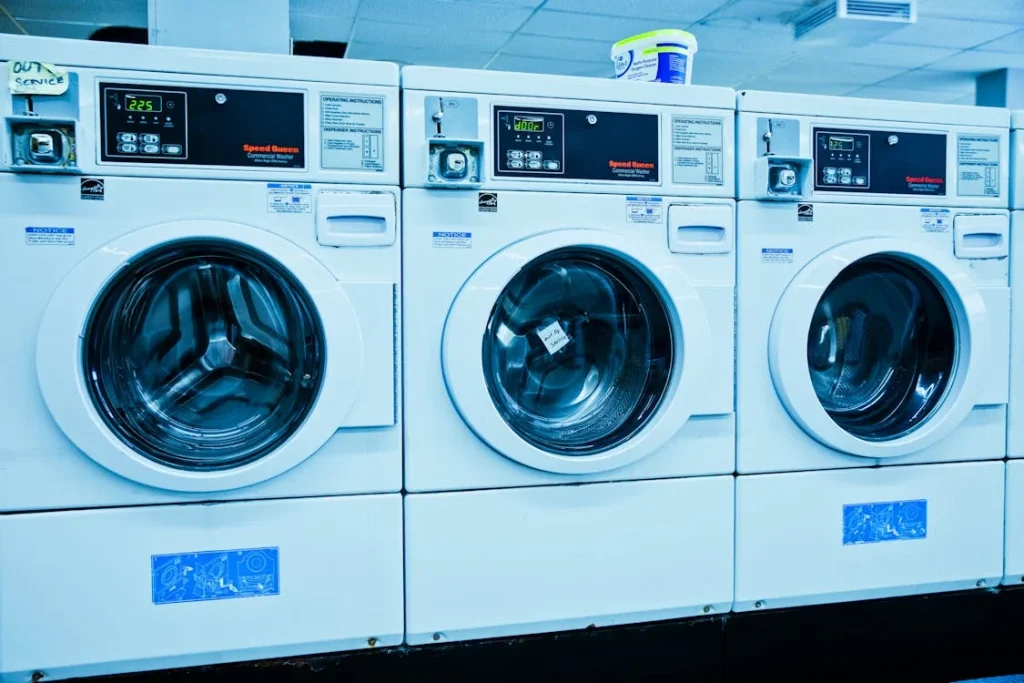
To understand industrial laundry capabilities, one must look at the physics inside the drum. The primary reason a “home-washable” item fails in an industrial setting is the combination of Mechanical Action and Chemical Concentration.
G-Force Extraction and Tensile Stress
Residential washers typically spin at 600–800 RPM. Industrial washer-extractors, however, are designed to pull as much water as possible out of the fabric to reduce drying time. This results in massive centrifugal force. If a fabric has low tensile strength—such as aged lace or low-thread-count gauze—the fibers will literally snap under the pressure. This mechanical stress is a primary factor in the Industrial Laundry Guide: Comprehensive Encyclopedia for Commercial & Large-Scale Laundries 2026, which advises facilities on how to balance extraction speed with fabric longevity.
Chemical Concentration vs. Fiber Degradation
Industrial washing relies on a “Chemical Break” phase, where concentrated alkali is used to swell the fibers and release deeply embedded soils. While this is highly effective for heavy-duty cotton, it is devastating to delicate synthetics and elastic polymers (like Spandex or Lycra). Over time, repeated exposure to high-pH chemicals causes “chemical tendering,” where the fabric becomes brittle and tears like paper. This is why elastic waistbands in cheap uniforms often fail after just 10 or 20 industrial washes.
Sector-Specific Wash Guides
Every industry has a unique “textile footprint,” and understanding how to manage these specific loads is essential for maintaining high Industrial Laundry Services: The 2026 Strategy Guide for On-Premise vs. Outsourcing standards.
Hospitality: From Thread Count to Towel Weight
In the hotel sector, the challenge is balancing luxury with durability. High-thread-count sheets (800+) are often less suitable for industrial washing because the fibers are so fine that they cannot withstand the mechanical agitation of a 200lb load. Most successful hospitality laundries stick to a “Percale” or “Sateen” weave in the 250–400 thread count range, which offers the best balance of guest comfort and industrial-grade resilience.
Healthcare: Surgical Linens and Isolation Gowns
Healthcare laundry is all about barrier integrity. Surgical drapes and gowns are often treated with a fluid-resistant coating. Every industrial wash cycle slightly degrades this coating. Facilities must track the “wash count” of these items; once a gown has been washed 50 or 75 times (depending on the manufacturer’s specs), its industrial laundry capabilities are exhausted, and it must be retired to ensure surgeon and patient safety.
Manufacturing: Oil-Soaked Rags and Industrial Mops
Manufacturing laundry is the “gritty” side of the industry. Cleaning oil-soaked rags or shop towels requires a process called “Emulsification,” where high temperatures and specialized surfactants are used to turn oil into a water-soluble liquid. This process is incredibly hard on the machines and requires dedicated filtration systems to prevent oil from entering the local sewage system. If you are managing this type of load, ensure your facility layout is optimized for heavy-duty filtration, as discussed in our What is Industrial Laundry? 2026 Guide to Services, Systems & Costs.
Preserving Your Assets: Life-Cycle Management in 2026
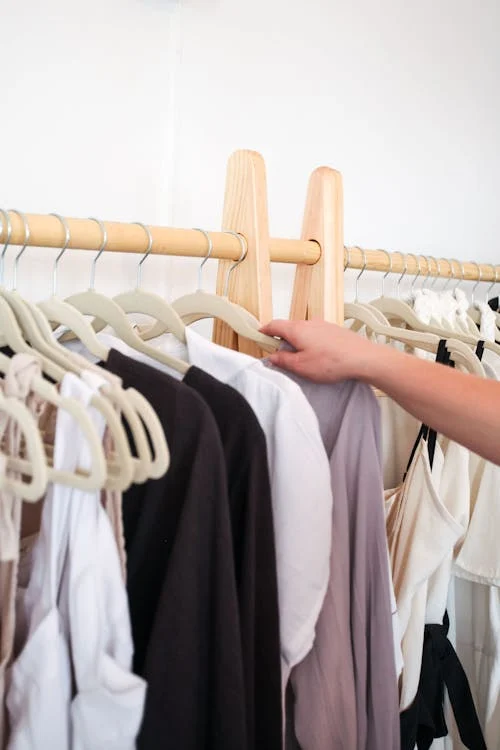
The ultimate goal of mastering industrial laundry capabilities is to extend the “Life-to-Discard” ratio of your textile inventory. In a high-volume environment, textiles are not just supplies; they are depreciating assets. To slow this depreciation, modern facilities utilize “Smart Chemical Dosing” systems that calibrate the water’s pH in real-time. For instance, after a heavy alkaline wash, a “sour” or neutralizing agent is injected during the final rinse to bring the fabric back to a skin-neutral pH of 5.5 to 6.5. This neutralization prevents residual chemicals from becoming trapped in the fibers, which would otherwise cause the fabric to turn yellow and become brittle when exposed to the high heat of a flatwork ironer.
Furthermore, over-drying is the silent enemy of textile longevity. When cotton fibers are completely stripped of their natural moisture (hygroscopic water), they become scorched at a molecular level. Industrial dryers in 2026 are equipped with infrared moisture sensors that automatically terminate the cycle when the load reaches 5% residual moisture. This small margin of dampness acts as a protective buffer, allowing the heat of the subsequent ironing process to “smooth” the fibers rather than “burn” them. By adhering to these technical nuances, a facility can increase the lifespan of its linens by up to 30%, directly impacting the comprehensive breakdown of industrial laundry costs by reducing the frequency of replacement purchases.
The Economic Cost of “Wrong” Washing
When an item exceeds the industrial laundry capabilities of a machine, the financial repercussions extend far beyond a ruined shirt or a torn sheet. The true cost is found in “Systemic Downtime.” Imagine a single rubber-backed mat disintegrating inside a 400lb washer-extractor. The rubber crumbs don’t just disappear; they migrate into the drain valves, the heat recovery coils, and the high-pressure water pumps. A single $20 mat can cause $5,000 in plumbing repairs and 48 hours of lost production.
In a commercial setting, this downtime is a catastrophe for the supply chain. If a hospital’s isolation gowns are ruined because they were washed with an incompatible high-alkali formula, the hospital may be forced to cancel elective surgeries. This ripple effect is why most professional plants maintain a “Strict Rejection Policy” for non-standard items. Facility managers must constantly weigh the revenue from a “difficult” load against the risk of a catastrophic mechanical failure. As noted in our 2026 strategy guide for on-premise vs. outsourcing, many businesses find that specialized outsourcing for “difficult” items is cheaper than risking their own high-value internal machinery.
Conclusion: Optimizing Your Inventory for Industrial Success
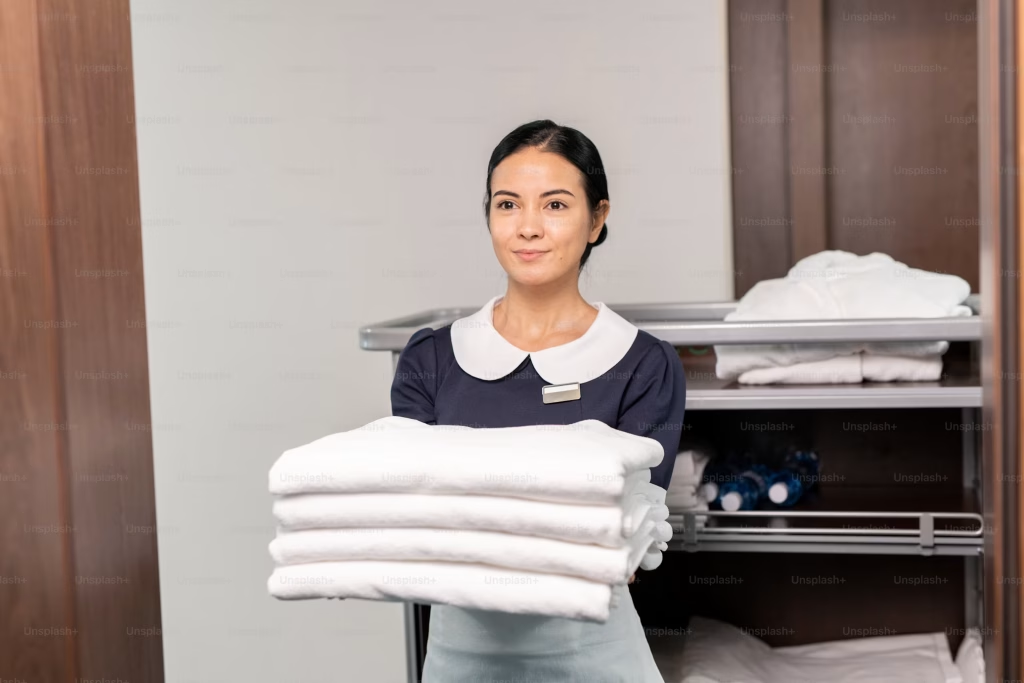
Understanding industrial laundry capabilities is the difference between a high-efficiency textile plant and a high-cost maintenance nightmare. As fabric technology continues to evolve, the line between “washable” and “industrial-ready” will only become more complex. By standardizing your inventory to high-density polycottons, avoiding protein-based natural fibers, and respecting the mechanical limits of centrifugal extraction, you can ensure a smooth, profitable operation. For a deeper dive into the science of large-scale washing, always refer back to the comprehensive industrial laundry encyclopedia to stay ahead of the latest fabric care trends and chemical innovations.
FAQs: Industrial Laundry Capabilities and Fabric Care
Can I wash personal “street clothes” in an industrial machine?
Generally, no. Most consumer clothing is made with low-tensile threads, plastic buttons, and elastic polymers that will melt or snap under the 300G+ extraction forces and 180°C ironing temperatures of an industrial plant. Doing so will likely result in shredded garments and potential damage to the machine’s inner drum.
Why did my white linens turn gray after an industrial wash?
This is usually caused by “Redeposition.” If the wash formula does not have enough “suspending agents,” the dirt that is lifted off the fabric simply settles back onto it in a fine layer. This is a sign that your industrial laundry capabilities are being hampered by poor chemical calibration or overloaded machines.
Are “Microfiber” towels safe for industrial laundering?
Yes, but they require a “Split-Fiber” wash formula. Microfibers are essentially tiny hooks that trap dirt and oils. If washed with standard cotton towels, the microfibers will trap the lint from the cotton, rendering the microfiber towels ineffective and “scratchy.” They must be washed in a dedicated, lint-free cycle.
How do I tell if a fabric is “Industrial-Ready”?
Look for the “Commercial Laundry” care label (often a circle with specific letters like P or W). If a label says “Hand Wash Only” or “Dry Clean Only,” it is strictly prohibited from an industrial water-wash system. When in doubt, perform a “Swatch Test” by running a single sample through 10 consecutive high-heat cycles to check for shrinkage and tensile loss.
What is the “Scrape Test” for industrial mops?
Before washing industrial mops, they should be “scraped” or shaken to remove large debris like metal shavings or heavy gravel. If these enter the washer, they can act like sandpaper, scouring the stainless steel drum and creating burrs that will snag and tear more delicate linens in future loads.
 English
  Spanish