
Table of Contents
- Why Choosing the Right Industrial Washing Machine Matters
- Understanding How Machine Selection Impacts ROI
- Business Perspective: Why This Decision Affects Cost Structure
- Capacity vs Drum Volume — What’s the Difference?
- Simple Capacity Calculation Example (Real Scenario)
- G-Force & Spin Speed — Why It Matters
- Automation & Smart Control Systems
- Matching the Right Machine to Your Industry
- Total Cost of Ownership (TCO): What Buyers Often Overlook
- Sample Cost Comparison (5-Year Projection)
- Installation & Workflow Considerations
- Final Buyer Checklist
- FAQ of how to choose the best industrial washing machine
Why Choosing the Right Industrial Washing Machine Matters
Learning how to choose the best industrial washing machine directly impacts operational efficiency, labor cost, water consumption, and long-term profitability. This is crucial to understand how to choose the best industrial washing machine.
Many facilities make the mistake of choosing machines based only on price or brand reputation. However, capacity mismatch or incorrect configuration can lead to:
- Overloading and mechanical stress
- Underutilized equipment and wasted energy
- Frequent maintenance failures
- Poor washing performance
For businesses operating in hotels, hospitals, laundromats, or manufacturing plants, equipment selection is not just a purchase decision — it is an infrastructure investment for how to choose the best industrial washing machine.
If you want to understand the technical foundation of how to choose the best industrial washing machine before making a decision, refer to our complete guide:
👉 Industrial Washing Machine Guide
Understanding How Machine Selection Impacts ROI
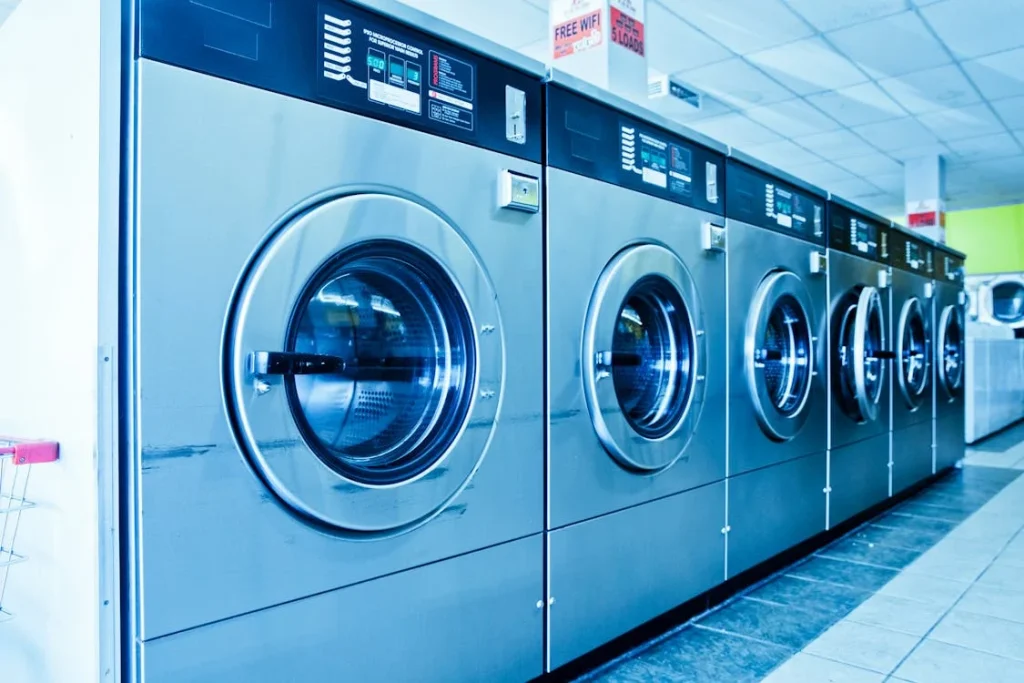
Industrial washers are designed for high-volume environments. Learning how to choose the best industrial washing machine is a key concern.Choosing the wrong specification can increase:
- Electricity consumption
- Water usage
- Chemical usage
- Downtime
A properly selected machine balances capacity with workload demand and operational cost.
For example:
- Oversized machines → High initial investment + inefficient partial loads
- Undersized machines → Production bottlenecks + accelerated wear
Business Perspective: Why This Decision Affects Cost Structure
When we are going to understand how to choose the best industrial washing machine. Machine choice directly influences:
1. Labor Efficiency
Automation and high spin speeds reduce manual intervention.
2. Energy Consumption
Modern inverter motors and variable frequency drives lower electricity usage.
3. Water Optimization
Advanced rinse systems reduce water waste.
4. Maintenance Cycle
Material quality (especially stainless steel grade) affects durability.
If material selection is your concern, read:
👉 Stainless Steel vs Other Materials
Key Technical Specifications to Consider Before Buying
When going to learn how to choose the best industrial washing machine, technical specifications matter more than brand marketing.
The key parameters that determine performance include:
- Capacity (kg / lbs)
- Drum volume
- Spin speed (G-force)
- Motor power
- Water consumption
- Heating system
- Control automation level
Understanding these metrics allows businesses to compare machines objectively.
Capacity vs Drum Volume — What’s the Difference?
Many buyers confuse rated capacity with drum volume.
| Parameter | Definition | Practical Meaning |
|---|---|---|
| Capacity | Maximum dry load weight | Direct workload limit |
| Drum Volume | Physical space inside drum | Determines load flexibility |
| Load Ratio | Weight vs Volume efficiency | Affects washing quality |
Example:
A 30kg machine may have:
- Drum volume: 300L
- Load ratio: 1:10
But heavy fabrics (towels / uniforms) reduce effective capacity because water absorption increases weight.
👉 This is why proper calculation matters.
If you want deeper calculation guidance:
Industrial Washing Machine Capacity: Complete Calculation & Sizing Guide
Simple Capacity Calculation Example (Real Scenario)
Case: Hotel Laundry
- 120 rooms
- Average 2kg linen per room
- Daily laundry: 240kg
If machine capacity = 40kg:
240 ÷ 40 = 6 loads per day
If each cycle = 45 minutes
Total runtime ≈ 4.5 hours
✅ One machine sufficient
❌ Underestimating load leads to bottlenecks
G-Force & Spin Speed — Why It Matters
Higher spin speed = Less residual moisture = Faster drying.
| G-Force | Effect |
|---|---|
| 200–300G | Standard industrial performance |
| 300–500G | Faster drying, energy efficient |
| 500G+ | Premium high-efficiency extraction |
Higher extraction reduces:
- Dryer runtime
- Gas consumption
- Electricity cost
For dryer optimization, see:
Top 6 Industrial Washing Machines Brands (Buyer’s Guide)
Automation & Smart Control Systems
Modern industrial washers now include:
- PLC control panels
- Touchscreen UI
- Remote monitoring
- IoT diagnostics
- Automatic detergent dosing
Automation reduces human error and chemical waste.
👉 Technical system breakdown:
Industrial Washing Machine Parts and Functions
Matching the Right Machine to Your Industry
Different industries require different machine configurations. Choosing the wrong type can increase cost and reduce efficiency.
Hotels & Hospitality
Typical Needs:
- Medium to high daily volume
- Mixed fabric types (sheets, towels, robes)
- Fast turnaround time
Recommended Configuration:
- 30–60kg front-load industrial washers
- 300G+ extraction speed
- Programmable wash cycles
Why?
Hotels prioritize speed and consistency. High spin speeds reduce drying time, which lowers utility cost and speeds up room turnover.
Hospitals & Healthcare Facilities
Key Requirements:
- Infection control
- Strict hygiene workflow
- Separate clean/dirty zones
Recommended Machine Type:
- Barrier washing machines
- Stainless steel (preferably 316 grade)
- High-temperature wash cycles
Barrier washers prevent cross-contamination by separating loading and unloading sides.
Material selection is critical in medical environments:
/why-choose-a-stainless-steel-washing-machine-benefits-and-features/
Large Commercial Laundry Plants
Key Priorities:
- High throughput
- Automation
- Labor cost reduction
Recommended System:
- Tunnel washer systems
- Automated chemical dosing
- Water recycling systems
Tunnel washers allow continuous batch processing, making them ideal for facilities exceeding 1,500kg per day.
Machine type comparison:
Industrial Washing Machine Types Explained: Use Cases, Comparison & Selection Guide
Total Cost of Ownership (TCO): What Buyers Often Overlook
The upfront price of an industrial washing machine does not represent the true cost.
Real cost includes:
- Electricity consumption
- Water usage
- Chemical cost
- Maintenance & downtime
- Spare parts replacement
Sample Cost Comparison (5-Year Projection)
Example:
| Factor | Low-End Machine | High-Efficiency Machine |
|---|---|---|
| Purchase Cost | $8,000 | $12,000 |
| Annual Energy Cost | $3,000 | $1,800 |
| Maintenance (5 yrs) | $5,000 | $2,500 |
| 5-Year Total | $28,000 | $23,500 |
Although initial investment is higher, efficient machines reduce long-term cost.
This is why professional buyers focus on lifecycle cost rather than sticker price.
Installation & Workflow Considerations
Before purchasing, evaluate:
- Available floor space
- Electrical capacity (3-phase vs single-phase)
- Drainage system
- Water pressure
- Steam or electric heating availability
Improper installation planning leads to performance loss and safety risks.
Installation checklist guide:
A step-by-step guide to industrial washing machine installation
Final Buyer Checklist
Before finalizing your purchase, confirm:
✔ Daily laundry volume calculated
✔ Correct machine capacity selected
✔ Extraction speed sufficient
✔ Material grade appropriate
✔ Energy consumption verified
✔ Installation space measured
✔ After-sales service available
If you are still unsure, revisit:
Industrial Washing Machine Guide: Types, How They Work, Capacity, Costs & Buying Checklist
FAQ of how to choose the best industrial washing machine
What size industrial washing machine do I need?
Calculate your average daily laundry weight and divide by desired number of cycles per day.
Is a higher G-force better?
Yes, higher G-force reduces moisture retention and drying time.
How long does an industrial washing machine last?
With proper maintenance, 10–15 years depending on usage intensity.
Should I choose 304 or 316 stainless steel?
316 is recommended for hospitals or high-corrosion environments.
 English
  Spanish