
Executive Summary
In 2026, selecting a commercial dryer for a large-scale laundry facility requires more than brand recognition or capacity rating. Rising energy costs, increasing automation standards, and maintenance predictability have reshaped how equipment is evaluated. This updated ranking highlights the top 5 commercial dryers based on throughput potential, long-term cost efficiency, structural durability, and service infrastructure — all critical factors for laundromats, hospitality, healthcare, and industrial operations. Use this guide to identify models that maximize uptime, minimize operating cost, and deliver sustainable ROI in high-demand environments.
Table of Contents
Introduction
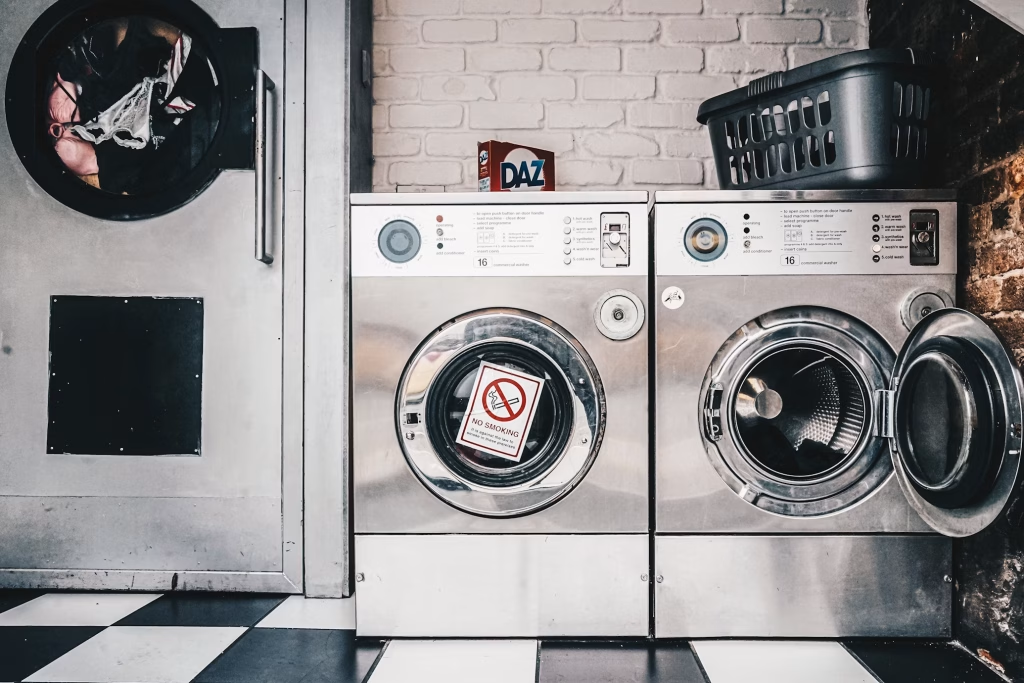
As commercial laundry operations continue to scale globally, the performance and reliability of drying equipment have become critical factors in operational efficiency. Large-capacity commercial dryers are no longer evaluated purely by purchase price or load capacity. Instead, modern laundries increasingly focus on energy efficiency, automation capability, maintenance accessibility, and long-term lifecycle cost.
In high-volume environments such as hotels, hospitals, industrial laundries, and large laundromats, dryers often operate continuously for 12–20 hours per day. Under these conditions, even small differences in energy consumption, drying efficiency, or mechanical durability can significantly influence operating costs over time. A machine that performs slightly better in moisture extraction or airflow efficiency may reduce annual utility expenses by thousands of dollars.
At the same time, the commercial laundry industry is experiencing a gradual transition toward more automated and energy-optimized systems. Manufacturers are introducing improved moisture sensing technologies, advanced airflow designs, and smarter control systems aimed at reducing cycle time while maintaining fabric care standards.
Because of these changes, selecting the right commercial dryer has become a strategic equipment decision rather than a simple purchasing task.
This 2026 update reviews five of the most widely used commercial dryers for large-scale laundry operations. The evaluation focuses on machines designed for high-volume throughput, consistent reliability, and long-term operational efficiency.
The goal is to provide a practical comparison that helps laundry operators, facility managers, and investors understand which machines offer the best balance of performance, durability, and operating cost over time.
For a deeper understanding of dryer technology and heating systems, see our complete commercial dryer guide.
What Is the Best Commercial Dryer for Large Laundries?
The best commercial dryer for large laundries depends on drying capacity, energy efficiency, and long-term reliability. High-volume laundry facilities typically use dryers ranging from 50 lb to 120 lb capacity to process large loads efficiently. Gas dryers are often preferred for faster heating and lower operating costs, while electric models provide simpler installation in facilities without gas infrastructure. When selecting a commercial dryer, operators should compare drum size, heating technology, airflow design, and service support to ensure stable performance in continuous daily operation.
How These Commercial Dryers Were Evaluated
Rather than focusing solely on manufacturer specifications, this comparison considers multiple operational factors that influence real-world performance in large-scale laundry environments.
Commercial dryers used in hotels, hospitals, and industrial laundries are exposed to demanding workloads. Machines must handle continuous cycles, varying fabric types, and fluctuating moisture loads while maintaining consistent drying performance. Because of this, equipment reliability and energy efficiency become just as important as raw capacity.
The evaluation therefore combines several types of information, including technical specifications, engineering design characteristics, typical service lifespan, and operational feedback from large laundry facilities. Particular attention is given to airflow system design, heating efficiency, control system capabilities, and structural durability.
Another important consideration is long-term serviceability. Even highly efficient machines can become costly if maintenance access is complicated or spare parts are difficult to obtain. For this reason, the comparison also considers brand support networks and the availability of professional service infrastructure.
By combining performance characteristics with operational practicality, the goal is to identify dryers that provide reliable results in demanding commercial environments rather than machines that simply look impressive on paper.
Key Criteria Used to Rank Commercial Dryers
Selecting a commercial dryer for large-scale laundry operations requires evaluating several interrelated factors that influence both daily performance and long-term operating cost.
Drying Capacity and Throughput Efficiency
While rated capacity indicates how much laundry a machine can process in a single load, throughput efficiency determines how quickly that load can be dried in real working conditions. Factors such as airflow design, drum rotation dynamics, and heat distribution all affect how efficiently moisture is removed from fabrics.
High-efficiency dryers reduce cycle time without requiring excessive energy input, which improves productivity and increases the total number of loads that can be processed each day.
Energy Consumption and Heating Efficiency
Energy use represents one of the largest operating expenses in commercial laundry facilities. Modern dryers incorporate improved insulation, optimized burner systems, and advanced airflow control to reduce heat loss during operation.
Machines that achieve faster drying cycles while maintaining stable energy consumption often deliver significantly lower long-term operating costs over a multi-year lifecycle.
Build Quality and Structural Durability
Commercial laundry equipment must withstand continuous vibration, thermal stress, and high-frequency loading cycles. Structural durability therefore plays a major role in determining equipment lifespan.
Heavy-duty drum construction, reinforced frame design, and reliable drive components help ensure stable operation over many years of intensive use.
Control System and Automation Capability
Modern commercial dryers increasingly integrate programmable control systems and moisture sensing technologies that automatically adjust cycle parameters based on load conditions.
These automation features reduce operator intervention, improve consistency between cycles, and help prevent over-drying, which can damage fabrics and waste energy.
Maintenance Accessibility and Service Support
Even the most durable commercial machines require periodic maintenance. Equipment designed with accessible components and modular service structures can significantly reduce downtime during repairs.
Additionally, manufacturers with strong global service networks provide faster access to spare parts and technical support, which helps maintain operational continuity in high-volume laundry environments.
Top 5 Commercial Dryers for Large-Scale Laundry Operations
1. Electrolux Professional Line 6000 Dryer
The Electrolux Professional Line 6000 series is widely recognized in the commercial laundry industry for its balance of automation, energy efficiency, and operational reliability. Designed specifically for medium to high-volume facilities, this dryer integrates intelligent moisture sensing and adaptive airflow systems to optimize drying cycles while minimizing unnecessary energy consumption.
One of the defining features of the Line 6000 is its advanced moisture detection technology. Instead of running fixed-time cycles, the system continuously monitors fabric humidity levels and automatically adjusts drying duration. This prevents overdrying and helps reduce both energy waste and textile wear. For large-scale laundries processing hundreds of loads per day, even small reductions in cycle time can translate into significant operational savings.
Another advantage is the machine’s airflow optimization. Electrolux has engineered the drum and ventilation system to improve heat distribution and moisture removal efficiency. Consistent airflow ensures that textiles dry evenly, which helps shorten cycle durations and maintain predictable workflow timing.
The control system also plays an important role in operational efficiency. The digital interface allows operators to customize drying programs for different fabric categories, including towels, linens, uniforms, and delicate textiles. This flexibility is particularly useful in hospitality or healthcare environments where fabric types vary significantly.
From a durability perspective, the Line 6000 is built with reinforced drum components and high-quality mechanical systems designed for continuous daily operation. Facilities running equipment for 12 or more hours per day often prioritize machines with proven structural reliability, and this model is widely regarded as capable of sustaining long-term heavy workloads.
Because of its strong energy performance and automation capabilities, the Electrolux Professional Line 6000 is particularly well suited for high-volume laundromats, hotels, and centralized laundry services that require consistent drying performance with minimal manual supervision.
2. Speed Queen Industrial Dryer
Speed Queen has built a long-standing reputation for producing extremely durable commercial laundry equipment. The brand’s industrial dryers are engineered with a strong focus on mechanical reliability and structural robustness, making them a popular choice for laundries that prioritize long-term stability over advanced automation features.
One of the most notable aspects of Speed Queen dryers is their heavy-duty construction. The machines use reinforced steel frames, industrial-grade drum bearings, and robust drive systems designed to withstand continuous use in demanding environments. Facilities that operate dryers for extended daily shifts often value this level of mechanical resilience, as it reduces the likelihood of unexpected breakdowns.
Speed Queen dryers also feature efficient burner and airflow systems designed to deliver consistent heat output throughout the drying cycle. While the control systems are generally simpler than those found in some premium automation-focused machines, the emphasis on stable heat delivery and reliable airflow ensures dependable drying results.
Another advantage of Speed Queen equipment is the accessibility of maintenance components. The machines are designed to allow technicians to quickly access belts, motors, and heating elements, which reduces service time during routine maintenance or repairs. For large laundries where equipment downtime can directly affect daily revenue, fast maintenance access is a significant operational benefit.
The brand also benefits from a strong service network in North America and many international markets. Reliable parts availability and widespread technician familiarity with the equipment help ensure faster repairs when issues occur.
Because of its emphasis on durability and reliability, the Speed Queen industrial dryer is particularly well suited for laundromats, institutional laundry rooms, and facilities where equipment must run continuously with minimal risk of mechanical failure.
3. Dexter Express Commercial Dryer
Dexter Laundry has developed a strong presence in the self-service laundromat industry, and its Express commercial dryer series is designed with operational efficiency and serviceability in mind. These machines emphasize fast drying performance and maintenance-friendly engineering, which makes them particularly attractive for high-turnover laundry environments.
One of Dexter’s key strengths lies in its heating system design. The dryers are engineered to deliver rapid heat recovery, allowing the machine to maintain stable temperatures even during continuous operation. Faster heat response helps shorten cycle times, which increases the number of loads that can be processed throughout the day.
The airflow design also contributes to efficient drying performance. Dexter dryers use optimized airflow circulation to remove moisture quickly from the drum, reducing the time required to reach target dryness levels. In busy laundromats where dozens or even hundreds of customers rely on machines daily, this efficiency can significantly improve customer turnover.
Another major advantage is the modular service design. Dexter machines are known for allowing relatively easy access to internal components, which simplifies maintenance procedures. This feature helps reduce downtime and allows technicians to perform repairs more efficiently when necessary.
The dryers are also commonly compatible with modern payment integration systems used in self-service laundromats, including card readers and digital payment platforms. This compatibility makes them easier to integrate into automated laundry facilities.
Due to their fast cycle performance and maintenance-friendly structure, Dexter Express dryers are especially well suited for high-traffic laundromats and self-service laundry operations where equipment uptime and quick load turnover are essential.
4. Maytag Multi-Load Commercial Dryer
Maytag commercial dryers have long been associated with reliability and straightforward mechanical design. The multi-load commercial dryer series focuses on durability and cost efficiency, making it a practical option for businesses seeking dependable equipment without complex automation systems.
A defining feature of Maytag’s multi-load design is its ability to support multiple independent drying compartments within a single machine structure. This configuration allows operators to process several smaller loads simultaneously, which can be particularly beneficial in environments where laundry volumes fluctuate throughout the day.
The mechanical structure emphasizes long-term stability rather than high-end digital functionality. Reinforced drum assemblies and robust drive systems help ensure reliable performance during repeated daily cycles. While the control systems are relatively simple compared with some premium commercial dryers, they are often easier to operate and maintain.
Another advantage of Maytag equipment is its reputation for straightforward servicing. Replacement parts are widely available in many regions, and technicians are generally familiar with the mechanical design. This accessibility can help reduce maintenance delays and ensure that repairs can be completed quickly when necessary.
Although the machines may not offer the same level of advanced automation as some higher-end dryers, their durability and predictable performance make them attractive for organizations that prioritize reliability and manageable upfront investment.
Maytag multi-load dryers are commonly used in small to mid-sized laundromats, apartment complexes, and hospitality environments where consistent performance and moderate equipment cost are primary considerations.
5. Girbau High-Efficiency Commercial Dryer
Girbau is well known for integrating energy-saving technologies into its commercial laundry equipment. The company’s high-efficiency dryers are designed with a strong emphasis on reducing energy consumption while maintaining consistent drying performance in professional laundry environments.
One of the most important features of Girbau dryers is their optimized heat management system. Many models incorporate advanced heat recovery and airflow control mechanisms that allow the machine to reuse part of the thermal energy generated during operation. This approach helps reduce overall energy consumption while maintaining stable drying temperatures.
Girbau also places significant emphasis on moisture detection technology. Intelligent sensors monitor the moisture level within the drum and automatically adjust the drying cycle as fabrics approach optimal dryness. This prevents unnecessary heating and helps protect delicate textiles from excessive thermal exposure.
Another advantage of Girbau equipment is its focus on sustainability. As energy costs continue to rise in many regions, laundry operators are increasingly looking for equipment that minimizes utility expenses over the long term. High-efficiency dryers that consume less energy per cycle can significantly reduce operational costs across a multi-year lifecycle.
The machines are typically constructed with durable materials and designed for continuous use in professional laundry facilities. While they may require a slightly higher upfront investment compared with some entry-level commercial dryers, the long-term energy savings can offset this difference over time.
Because of their energy efficiency and advanced control systems, Girbau dryers are particularly suitable for environmentally conscious laundry operations, hotels, and facilities where reducing utility costs is a major priority.
Commercial Dryer Performance Comparison
Below is a comparison of the five commercial dryers discussed above. Instead of focusing only on marketing claims, the table highlights practical factors that influence long-term operational performance in real laundry environments.
| Brand | Heating Options | Energy Efficiency | Typical Lifespan Range | Service Network Strength | Best For |
|---|---|---|---|---|---|
| Electrolux Professional Line 6000 | Electric / Gas / Steam | Very High | 10–15 years | Extensive (Global) | Hotels, healthcare laundries |
| Speed Queen Industrial Dryer | Gas / Electric | High | 12–18 years | Extensive (North America strong) | Heavy-duty laundromats |
| Dexter Express Dryer | Gas / Electric | High | 10–14 years | Strong | Self-service laundromats |
| Maytag Multi-Load Dryer | Gas / Electric | Medium–High | 8–12 years | Regional / Strong in US | Small to mid laundromats |
| Girbau High-Efficiency Dryer | Gas / Electric / Steam | Very High | 12–16 years | Global | Energy-efficient operations |
What This Comparison Reveals
When evaluating commercial dryers, it becomes clear that the best choice is not always the machine with the most advanced features. Instead, operators must consider how each model aligns with their operational priorities.
For example, laundromats that process hundreds of customer loads daily often prioritize durability and rapid cycle turnover, which explains the popularity of brands like Speed Queen and Dexter in the self-service laundry market.
Hotels and healthcare facilities, on the other hand, typically focus more on fabric protection, energy efficiency, and automation, making machines like Electrolux and Girbau particularly attractive.
Another important insight from the comparison is that service network availability can influence long-term equipment reliability just as much as the machine itself. Access to trained technicians and replacement parts determines how quickly a facility can recover from unexpected downtime.
Key Buying Considerations for Large-Scale Laundry Operations
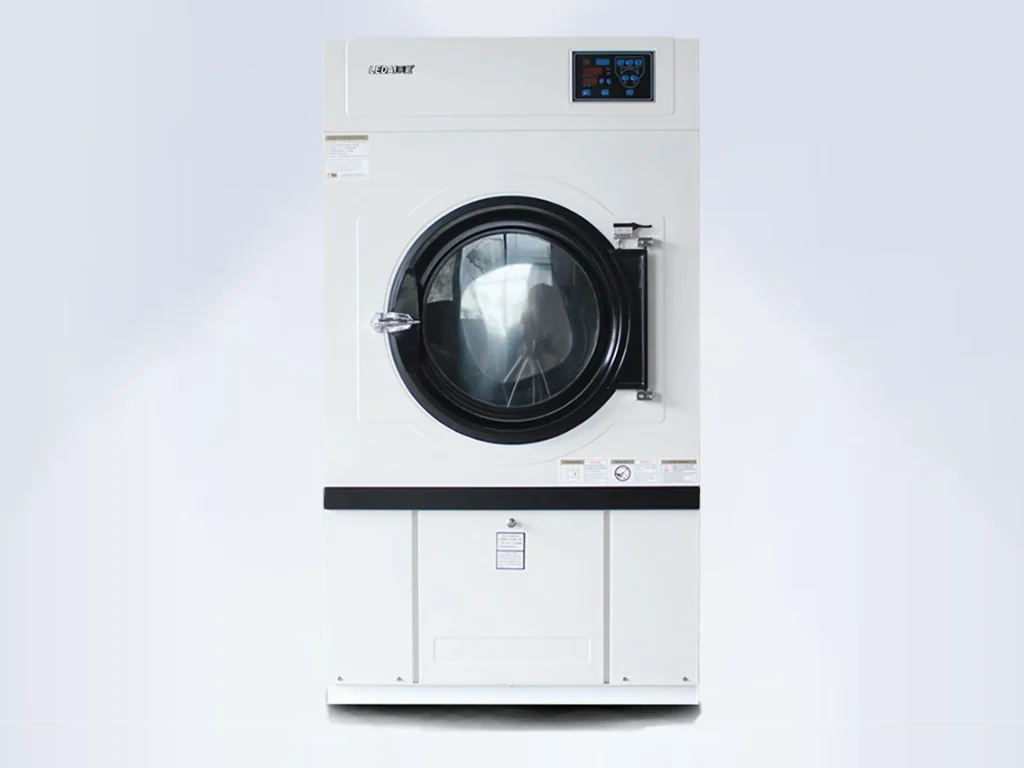
Choosing the right commercial dryer requires more than simply comparing equipment specifications. Laundry operators must evaluate how the machine will perform within their specific workflow, facility infrastructure, and long-term operating budget.
Capacity vs Throughput Efficiency
Many operators assume that selecting the largest possible dryer will maximize productivity. In practice, throughput efficiency is often more important than raw capacity.
A dryer with optimized airflow and moisture detection may process loads faster than a larger machine with inefficient heat distribution. Faster cycle completion means more loads per hour, which can significantly increase daily processing capacity without requiring larger equipment.
Facilities that handle continuous high-volume loads should evaluate not only drum capacity but also cycle duration and moisture extraction performance.
Energy Consumption Structure
Energy consumption represents one of the largest ongoing costs in commercial laundry operations. Heating systems account for the majority of this energy usage, which makes dryer efficiency a critical factor when selecting equipment.
Gas dryers typically offer faster heating and lower energy costs in regions where natural gas is affordable. Electric dryers can provide more stable temperature control but may lead to higher operational costs depending on local electricity rates.
Modern commercial dryers increasingly incorporate smart sensors and automated cycle control, which help reduce unnecessary heating and improve overall energy efficiency.
Reliability and Maintenance Accessibility
Even the most advanced dryer technology can become a liability if maintenance access is difficult or replacement parts are hard to obtain.
High-volume laundry facilities benefit from machines designed with serviceability in mind. Equipment that allows technicians to quickly access motors, belts, and heating systems reduces repair time and helps minimize operational disruptions.
Brands with strong global service networks often provide additional operational stability, especially for facilities located in regions where specialized technicians may not always be available.
Operational Risks When Choosing Commercial Dryers
Even experienced laundry operators occasionally make equipment decisions that appear cost-effective in the short term but create long-term operational challenges. Understanding these risks can help businesses avoid expensive mistakes.
Mistake 1: Choosing Based Only on Purchase Price
The initial purchase price represents only a small portion of the total cost of operating a commercial dryer. Over a typical 10-year lifecycle, energy consumption, maintenance costs, and downtime can easily exceed the original equipment cost.
For example, a machine that is 15% cheaper upfront may consume significantly more energy per cycle. Over thousands of drying cycles per year, this difference can lead to 30–40% higher operational expenses compared with a more efficient model.
Mistake 2: Ignoring Infrastructure Compatibility
Some facilities purchase commercial dryers without fully evaluating their building infrastructure. Electrical capacity, gas supply availability, and ventilation systems must all be capable of supporting the selected equipment.
If infrastructure upgrades are required after purchase, installation costs can increase substantially and delay operational deployment.
Mistake 3: Underestimating Maintenance Requirements
All commercial dryers require routine maintenance to maintain optimal performance. Facilities that neglect regular cleaning and inspection procedures often experience reduced drying efficiency and increased equipment wear.
Lint accumulation in ventilation systems, for example, can reduce airflow and significantly increase drying time while also creating potential fire hazards.
You can also explore our detailed comparison of the top commercial dryers available today.
How to Choose the Right Commercial Dryer
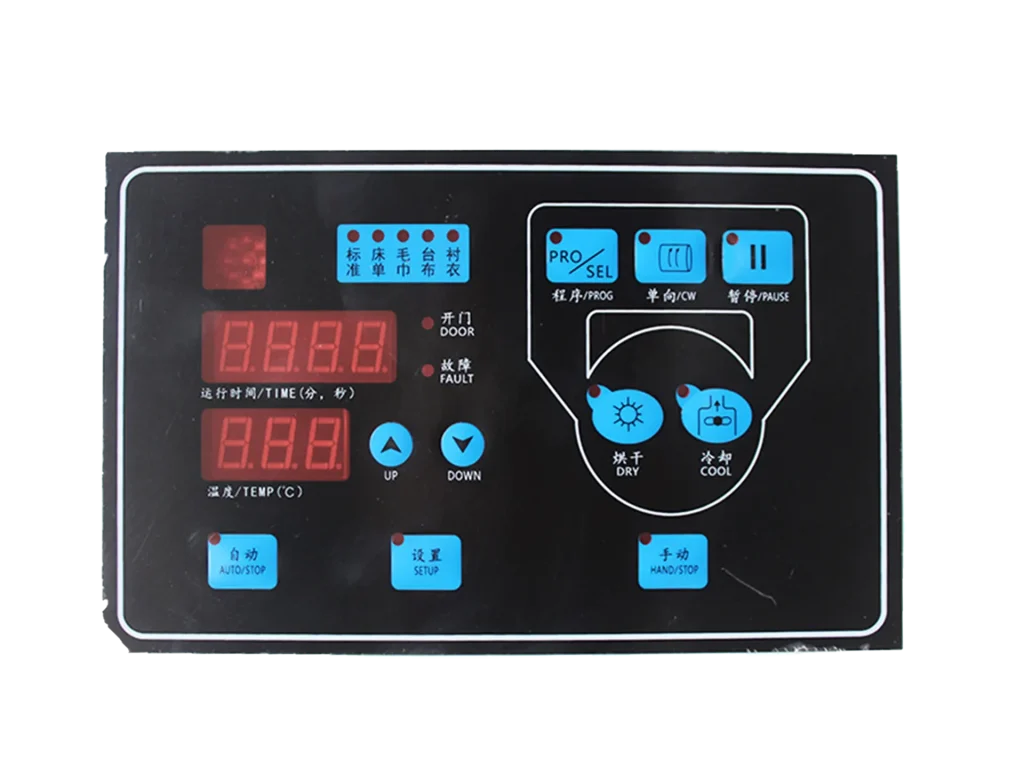
Selecting the best commercial dryer requires balancing operational scale, infrastructure readiness, and long-term financial efficiency. Instead of focusing only on brand reputation or machine size, operators should evaluate how each dryer integrates into their existing workflow and utility environment.
A well-chosen commercial dryer improves daily throughput, stabilizes operating costs, and reduces maintenance disruptions. Conversely, a poorly matched machine can create bottlenecks, increase energy expenses, and shorten equipment lifespan.
Below are several key factors that large-scale laundry operators should evaluate before making a final purchasing decision.
1. Match Dryer Capacity to Daily Laundry Volume
Commercial dryers are typically categorized by drum capacity, usually ranging from 30 lb to more than 100 lb per cycle.
- 30–50 lb dryers are commonly used in small laundromats or boutique hospitality operations.
- 75 lb dryers represent a balanced capacity suitable for mid-size laundromats and hotel laundry rooms.
- 100 lb or larger dryers are typically deployed in industrial laundries, hospitals, and centralized laundry facilities.
Choosing a machine that closely matches daily laundry volume helps maintain high utilization rates. Oversized machines may consume unnecessary energy when running partial loads, while undersized dryers can create workflow congestion during peak hours.
2. Evaluate Energy Structure and Utility Costs
Heating technology significantly influences the long-term operating cost of commercial dryers.
Gas dryers generally offer faster heating and lower cost per cycle when natural gas is readily available.
Electric dryers are easier to install and may be preferable in facilities without gas infrastructure.
Heat pump dryers, while more expensive upfront, can dramatically reduce energy consumption in facilities with high daily load volumes.
Operators should compare the local cost of electricity and gas before selecting a heating configuration. In high-volume operations, even small differences in energy efficiency can produce substantial savings over the equipment lifecycle.
3. Consider Infrastructure Compatibility
Before purchasing a commercial dryer, it is essential to verify whether the facility can support the equipment’s installation requirements.
Key infrastructure factors include:
- Electrical panel capacity
- Gas supply availability and pressure stability
- Ventilation and exhaust routing
- Physical space and installation clearance
Infrastructure upgrades can significantly increase project costs. In some cases, the expense of electrical or ventilation modifications may exceed the price difference between two dryer models. Evaluating infrastructure readiness early helps avoid unexpected installation delays or budget overruns.
4. Review Service Network and Maintenance Support
Reliable maintenance support is essential for commercial laundry equipment. Even durable machines will occasionally require service or replacement components.
When comparing dryer brands, operators should consider:
- Availability of certified technicians in their region
- Replacement part supply chains
- Typical repair turnaround time
- Manufacturer service support
Brands with extensive service networks often provide greater long-term reliability because downtime can be resolved quickly.
Future Trends in Commercial Laundry Equipment (2026 and Beyond)
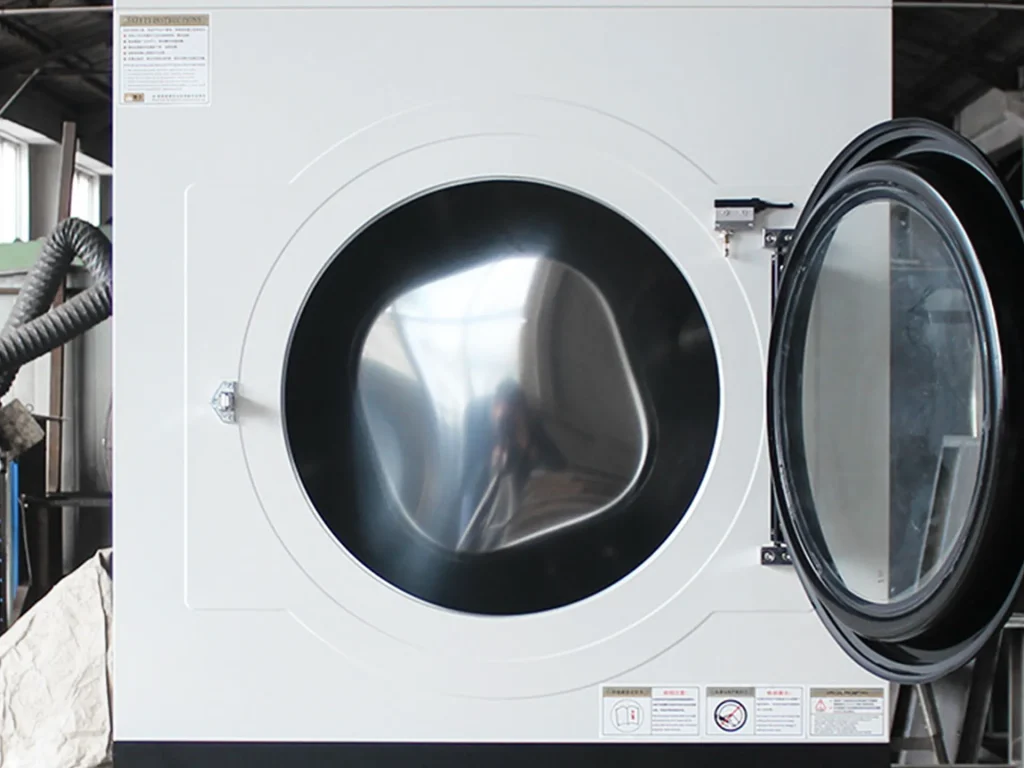
The commercial laundry industry continues to evolve as businesses seek higher efficiency, lower operating costs, and improved automation. Several technological trends are shaping the next generation of commercial dryers.
Smart Monitoring and Remote Diagnostics
Modern commercial dryers increasingly incorporate remote monitoring systems that track performance metrics such as cycle duration, energy consumption, and maintenance alerts.
These systems allow operators to detect issues early and schedule maintenance proactively, reducing unexpected downtime.
Large multi-location laundry businesses are also using data analytics to monitor machine utilization across facilities, enabling more efficient equipment deployment and workload balancing.
Energy Efficiency and Sustainability
Energy efficiency has become a major priority in the laundry industry. Many manufacturers are developing dryers that incorporate:
- advanced heat recovery systems
- moisture-sensing technology
- improved airflow engineering
These features reduce energy waste while maintaining consistent drying performance.
In regions with strict environmental regulations, high-efficiency dryers can also help facilities comply with sustainability targets and reduce carbon emissions.
Automation and Workflow Integration
Automation is becoming increasingly important in large laundry facilities. Modern dryer systems may integrate with:
- centralized control platforms
- automated sorting and conveyor systems
- digital payment systems for self-service laundromats
These integrations streamline operations and reduce manual intervention, allowing facilities to scale operations without proportionally increasing labor costs.
FAQ – Commercial Dryers for Large Laundry Facilities
What is the typical lifespan of a commercial dryer?
Most commercial dryers are designed to operate for 8 to 15 years, depending on usage intensity, maintenance practices, and equipment quality. Facilities that follow preventive maintenance schedules often extend machine lifespan significantly.
Are gas dryers better than electric dryers for commercial use?
Gas dryers generally provide faster heating and lower operating cost in regions where natural gas is affordable. Electric dryers, however, are easier to install and may be more suitable for facilities without gas infrastructure.
How much does a commercial dryer cost?
Commercial dryer prices vary widely depending on capacity and features. Typical ranges include:
· Small commercial dryers: $2,000 – $4,000
· Mid-capacity industrial dryers: $4,000 – $8,000
· Large industrial dryers: $8,000 – $20,000+
Installation costs may add additional expenses depending on infrastructure requirements.
What size commercial dryer should a laundromat use?
Most laundromats operate efficiently with 50–75 lb dryers, which balance capacity and energy efficiency. Larger facilities processing high laundry volumes may use 100 lb dryers to maximize throughput.
 English
  Spanish