
Table of Contents
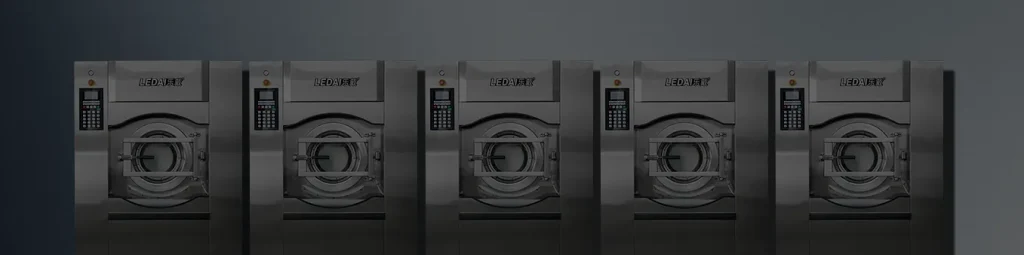
In the evolving healthcare landscape of 2026, the laundry room is no longer just a utility space; it is a critical component of a hospital’s infection control strategy. As Healthcare-Associated Infections (HAIs) pose increasing challenges to patient safety and facility liability, the demand for the best hospital washer-extractors has shifted from simple “volume processing” to “pathogen eradication.” A medical-grade washer-extractor must do more than remove visible stains; it must provide a validated, repeatable process that ensures every fiber of a bedsheet or surgical gown is chemically and thermally sterile.
Selecting equipment for a hospital requires a sophisticated understanding of both microbiology and mechanical engineering. Unlike hospitality laundry, where “whiteness” and “softness” are the primary KPIs, healthcare laundry prioritizes “bio-burden reduction.” To navigate this complex market, facility managers must look at specialized barrier technology and programmable logic controllers (PLCs) that can guarantee specific temperature plateaus. For a foundational understanding of the mechanical standards required, the Industrial Washer-Extractor: The 2026 Ultimate Technical & Purchasing Guide provides the necessary technical benchmarks for professional-grade procurement.
The Gold Standard: Understanding Barrier Washer-Extractors
When discussing the best hospital washer-extractors 2026, the conversation must begin with “Barrier Technology.” A standard washer-extractor has one door; a barrier washer has two. This “Pass-Through” design allows the machine to be built into a physical wall that separates the “Sullied Side” (where contaminated linens are loaded) from the “Clean Side” (where sterile linens are unloaded). This physical separation is the only way to effectively eliminate the risk of cross-contamination via airborne particles or staff movement.
The working principle of these machines is rooted in strict environmental control. When the door on the sullied side is open, the door on the clean side is electronically locked, and vice versa. This ensures that the airflow of the facility always moves from the clean side toward the sullied side, preventing pathogens from migrating into the sterile finishing area. In 2026, this technology has become a regulatory requirement in many regions for any facility processing surgical linens or linens from infectious disease wards. This specialized focus on hygiene is why medical units often differ significantly in their Industrial Washer-Extractor Working Principle compared to standard commercial models.
Key Selection Criteria for Medical-Grade Equipment
Choosing the right equipment for a healthcare environment involves a checklist that goes far beyond load capacity. The first and most vital criterion is “Thermal Disinfection Programmability.” A medical washer must be able to reach and maintain a temperature of at least 71°C (160°F) for a minimum of three minutes, or 65°C (149°F) for ten minutes, depending on local health codes. The machine’s PLC must not only reach these temperatures but also provide a “Data Log” that proves the temperature was held for the required duration, allowing the hospital to present proof of compliance during audits.
Material science also plays a pivotal role in the best hospital washer-extractors. Because healthcare laundry involves aggressive disinfecting chemicals—including high concentrations of chlorine and peracetic acid—the inner drum and outer tub must be constructed from high-grade stainless steel. While 304-grade is common in hotels, 316L-grade is often preferred in hospitals due to its superior resistance to pitting and corrosion. This durability ensures that the machine remains a long-term asset, providing a stable ROI and performance profile for the facility over a 15-to-20-year lifecycle.
High-G Extraction and Rapid Turnaround in Healthcare
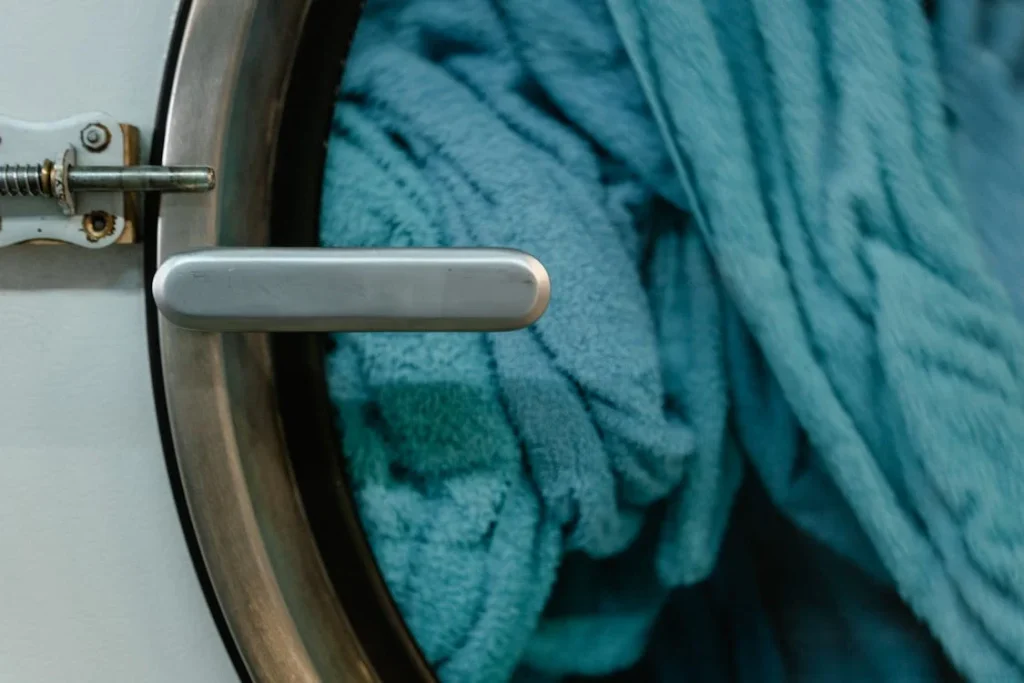
In a high-volume hospital, the “Laundry Loop” must be as fast as possible to maintain par levels of linen for incoming patients. This is where “Extraction Efficiency” becomes a financial and operational priority. The best hospital washer-extractors 2026 are equipped with high-G-force motors, often reaching 350G to 450G. This intense centrifugal force strips the majority of the water from the linens, significantly reducing the time required in the drying tumblers.
By reducing drying time, the hospital not only saves on natural gas and electricity but also protects the integrity of the textiles. Over-drying at high temperatures can cause cotton fibers to become brittle, leading to “Linting,” which can be a hazard in cleanroom environments. A high-G washer ensures that linens move through the finishing area quickly, allowing the hospital to operate with smaller total linen inventories. This operational speed is a major factor in choosing the right capacity for healthcare laundry, where the goal is to maximize “Pounds Per Operator Hour” (PPOH) without sacrificing safety.
Top 5 Medical Laundry Categories for 2026
To provide a clear buying guide, we have categorized the best hospital washer-extractors 2026 based on their specific clinical applications.
1. The Regional Hub Powerhouse (400lb+ Barrier Washers)
Designed for centralized laundry facilities that serve multiple clinics, these machines prioritize massive throughput. They feature heavy-duty suspension systems and dual-motor drives to handle 24/7 operation. Their ROI is driven by the sheer scale of economy, allowing a hospital network to consolidate its sterile processing into a single, high-efficiency location.
2. The Surgical Center Compact (60-80lb Hygienic Units)
Ideal for outpatient surgery centers, these units provide the same level of thermal disinfection as their larger counterparts but in a footprint that fits into tight urban hospital basements. They are specifically tuned for the high-frequency washing of surgical scrubs and microfiber cleaning cloths, which require delicate yet thorough decontamination.
3. The 450G “Eco-Extractor” for Sustainable Hospitals
In 2026, sustainability is a key KPI for hospital boards. These extractors focus on the “Dryer-Link” efficiency. By reaching 450G, they reduce natural gas consumption in the laundry by up to 35%. This category is essential for facilities aiming for green-building certifications or those located in regions with high energy surcharges.
4. The IoT-Integrated Validation Unit
These machines are the future of medical compliance. Every cycle is recorded to a cloud-based server, creating a permanent record of disinfection for every batch. If a sensor fails or a temperature plateau isn’t reached, the system sends an instant alert to the Infection Control Officer. This technology significantly reduces the legal liability of the facility.
5. The Specialized Infectious Disease Barrier
Equipped with reinforced seals and HEPA-filtered air vents, these machines are built for isolation wards. They ensure that even the air displaced by the tumbling drum is filtered before being exhausted, providing the highest level of protection for the laundry staff handling high-risk bio-hazardous materials.
Technical Deep Dive: The Physics of Thermal Disinfection
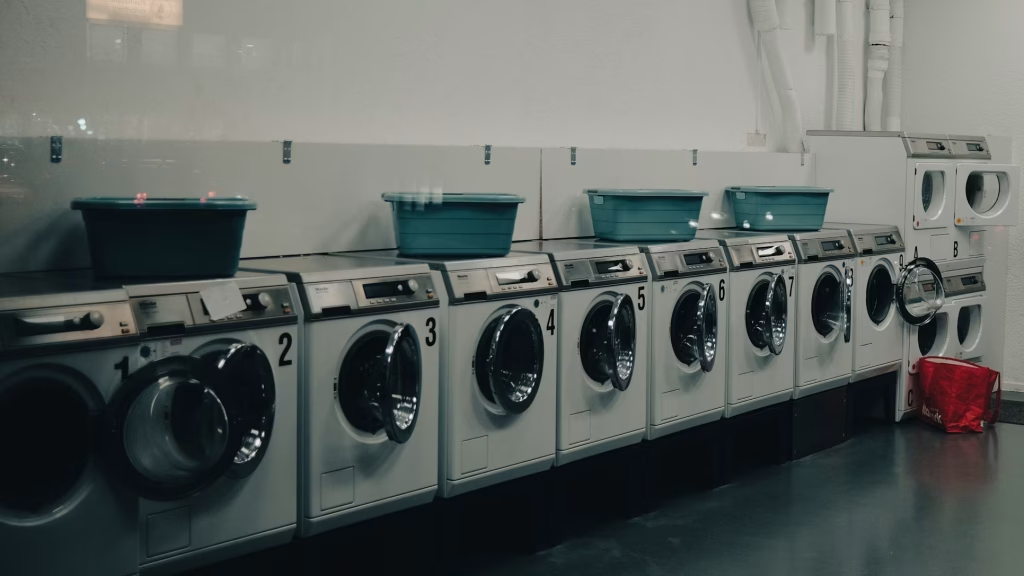
The efficacy of the best hospital washer-extractors 2026 is rooted in a precise mechanical relationship known as the “Thermal Death Time.” In a clinical environment, the washer-extractor is not just a cleaning tool; it is a thermal reactor. For a hospital to remain compliant with international health standards, such as the latest ISO 15883-2:2026 protocols, the machine must be capable of reaching a specific “Plateau Temperature” and maintaining it with zero fluctuation for a validated duration.
This level of precision is achieved through “High-Pressure Steam Injection.” Rather than relying on slow, inconsistent electric heating elements, medical-grade washers inject steam directly into the wash liquor. This allows the machine to jump from a 40°C pre-wash to a 71°C disinfection phase in a matter of minutes. This rapid thermal ramp-up is a core component of the Industrial Washer-Extractor Working Principle in healthcare. It ensures that the “Chemical Shock” from the detergent and the “Thermal Shock” from the steam occur simultaneously, maximizing the kill rate of resistant bacteria like MRSA, VRE, and C. difficile spores.
Operational Efficiency: The Healthcare ROI Equation
While patient outcomes are the primary driver, the best hospital washer-extractors 2026 must also justify their significant capital expenditure. The healthcare sector in 2026 operates on incredibly tight margins, and the “Cost per Pound” of sterile linen is a closely monitored metric. Investing in high-performance barrier equipment provides a long-term financial hedge against the rising costs of labor, water, and gas.
When calculating the ROI and performance profile of a hospital washer-extractor, one must factor in the “Avoided Costs” of healthcare-acquired infections (HAIs). A single HAI outbreak can cost a hospital hundreds of thousands of dollars in legal fees and lost reimbursements. Furthermore, professional hospital washers use “Cool-Down” programming to prevent “Thermal Shock” to the fabric. By gradually stepping down the temperature after the disinfection phase, the machine preserves the tensile strength of the cotton fibers. This reduces the hospital’s annual linen replacement budget by approximately 22%, effectively allowing the machine to pay for itself through textile longevity alone.
Capacity Sizing for 24/7 Healthcare Facilities
One of the most complex aspects of selecting the best hospital washer-extractors 2026 is the capacity calculation. Unlike a hotel, where laundry volume is somewhat predictable based on check-outs, a hospital’s laundry volume is constant and critical. Facilities must size their equipment to handle “Peak Surge” capacity—such as during a regional health crisis or a massive emergency intake—without falling behind on the standard daily rotation.
The industry standard for healthcare is to size the wash floor to handle 100% of the daily load within 14 hours of operation, leaving the remaining 10 hours as a buffer for emergency surges and preventative maintenance. To determine the correct size, managers must use a Medical Capacity and Sizing Guide, which accounts for the “Weight per Patient Day.” A standard general ward bed generates 18 lbs of laundry daily, but an Intensive Care Unit (ICU) bed can generate upwards of 45 lbs. By splitting this total poundage into multiple 100 lb or 125 lb barrier washers, the hospital gains “Redundant Reliability”—if one machine requires service, the others can maintain the sterile supply chain.
Maintenance and Validation: Ensuring Constant Compliance
In the healthcare sector, maintenance is synonymous with “Validation.” In 2026, hospitals are required to perform semi-annual mechanical and microbiological audits of their laundry equipment to ensure they meet the rigorous benchmarks set by the CDC and WHO. A malfunctioning temperature sensor in a hospital washer-extractor is a catastrophic biohazard risk that can lead to contaminated linens reaching the operating theater.
The best hospital washer-extractors feature “Audit-Ready” control systems. These systems allow a technician to download a complete history of every cycle, proving to health inspectors that every load reached the required thermal threshold. This documentation is the final pillar of a successful Industrial Washer-Extractor ROI, as it provides the facility with an ironclad defense during safety audits. Regular maintenance, including the calibration of these sensors and the inspection of the barrier seals, is the only way to ensure that the machine’s “Hygienic Integrity” remains intact for its entire 20-year lifespan.
The Future of Hospital Laundry: 2026 and Beyond
As we move through 2026, the best hospital washer-extractors are increasingly defined by their integration into the broader hospital “Internet of Medical Things” (IoMT). The days of isolated machines running independently are over; modern laundry units are now active participants in the hospital’s data ecosystem. Advanced sensors now track not just water temperature and chemical levels, but also the “Bio-load” of the incoming water, adjusting the wash cycle in real-time to ensure 100% disinfection without wasting a drop of resources.
The next frontier for medical laundry is “Predictive Hygiene.” By utilizing AI-powered surveillance, 2026-era washers can predict when a specific batch of surgical linens requires a more intensive thermal cycle based on the source ward’s current infection data. This proactive approach ensures that the highest level of care is always maintained, even as the hospital faces shifting clinical demands. This digital transformation is a key part of the Industrial Washer-Extractor: The 2026 Ultimate Technical & Purchasing Guide, where connectivity is now considered as vital as G-force or drum capacity.
Comparison of Leading Hospital Washer-Extractor Models 2026
To assist in the procurement process, we have compiled a comparison of the top-performing medical-grade models. These machines represent the pinnacle of hygiene, durability, and operational efficiency in 2026.
| Model Series | Key Advantage | Best Application | Compliance Standard |
| Primus FXB Series | Trace-tech® Traceability | Large Regional Hubs | ISO 15883 / RABC |
| Electrolux Barrier | EcoPower Efficiency | Sustainable Facilities | ISO 9001 / CDC |
| Milnor Barrier | Heavy-Duty Durability | 24/7 High-Volume Use | OSHA / CDC |
| Danube DBW Series | ET2 Microprocessor | Specialized Clinics | ISO 13485 / WHO |
| Girbau Medical | Advanced Automation | IoT-Integrated Wards | ISO 15883 / RKI |
Technical Troubleshooting: Maintaining Medical Integrity
Even the best hospital washer-extractors require precise technical oversight to maintain their “Hygienic Validation.” In 2026, a “Red Alarm” on a medical washer often indicates more than just a mechanical jam; it can signify a failure to meet the required disinfection plateau.
- Failure to Reach 71°C: This is often caused by a malfunctioning steam injection valve or an air-lock in the boiler supply line. In a hospital setting, this requires an immediate cycle reset and a technician audit.
- Barrier Seal Integrity Loss: If the physical seal between the dirty and clean sides is compromised, airborne pathogens can bypass the machine entirely. This is why daily air-pressure monitoring is now a standard part of the Industrial Washer-Extractor vs Traditional ROI maintenance plan.
- Chemical Pump Deviation: If the peristaltic pumps do not deliver the exact milliliter of disinfectant, the thermal phase alone may not be enough. Modern systems now use “Flow Meters” to verify chemical delivery in real-time.
FAQs: Best Hospital Washer-Extractors 2026
How long is the standard thermal disinfection cycle?
While the “Hold Time” is often 3 minutes at 71°C, the entire cycle—including flushes, main wash, disinfection, and rinsing—typically lasts between 35 and 50 minutes. This ensures that soils are removed before the disinfection phase begins.
Can standard washer-extractors be used in a hospital?
In many 2026 jurisdictions, standard (single-door) machines are only permitted for non-clinical linens, such as cafeteria towels or staff uniforms. Any linen that comes into contact with patients must be processed in a “Barrier” or “Pass-Through” machine to prevent cross-contamination.
What is an A0 value in hospital laundry?
The A0 value is a mathematical formula that measures the “Lethality” of a thermal process. An A0 of 600 is the standard for hospital linens, while an A0 of 3,000 may be required for high-risk surgical instruments or isolation ward textiles.
Do these machines require special water treatment?
Yes. To protect the high-grade 316L stainless steel and ensure chemical efficacy, hospitals often use “Water Softeners” and “Reverse Osmosis” (RO) systems to remove minerals that could interfere with the disinfection process.
What is the life expectancy of a 2026 medical-grade washer?
With a disciplined maintenance program, these machines are engineered to last 20 to 25 years. This longevity is a major contributor to their long-term ROI and performance, making the high initial cost a sound investment over the machine’s lifecycle.
Conclusion: Setting a New Standard for Care
Selecting the best hospital washer-extractor 2026 is about more than just managing a budget; it is about committing to a higher standard of patient safety. In an era where “Hygiene” is the ultimate healthcare metric, the laundry room has become a frontline defender against the spread of infection. By investing in barrier technology, IoMT connectivity, and high-G extraction, hospitals can ensure their operations are as sterile as they are efficient.
As facility requirements continue to evolve, the integration of technology and mechanical durability will remain the hallmark of successful healthcare laundry. For those ready to upgrade their infrastructure, our 2026 Industrial Washer-Extractor Purchasing Guide provides the final roadmap for balancing compliance with operational profitability. Stop viewing laundry as a utility, and start seeing it as the backbone of your hospital’s safety mission.
 English
  Spanish