
Table of Contents
Embarking on an industrial laundry installation is one of the most significant capital investments a textile service provider or hospitality group will ever undertake. In 2026, as machinery becomes more automated and energy systems more integrated, the process has moved far beyond simply placing washers on a floor.
A successful installation is a multidisciplinary engineering project that requires a harmonious blend of structural architecture, mechanical plumbing, electrical load balancing, and logistical strategy. If the installation phase is rushed or poorly planned, even the most expensive machinery will suffer from frequent downtime, utility waste, and shortened lifespans.
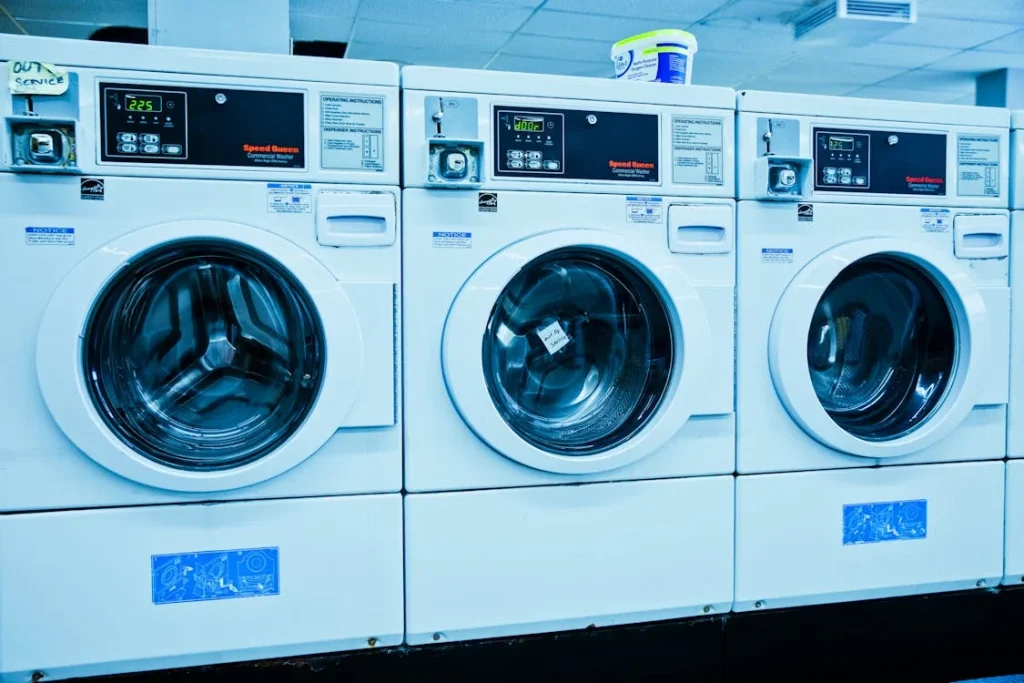
To appreciate the scale of such a project, one must first understand what is industrial laundry in its modern, high-output form. It is a synchronized production line where water, heat, and chemicals must be delivered at precise intervals to thousands of pounds of fabric.
The installation phase is the only time you have a “blank canvas” to ensure these inputs are delivered efficiently. Any error made during the initial plumbing or electrical layout will become a permanent tax on your operational budget for the next decade. This guide serves as a comprehensive roadmap to ensure your facility is built for maximum throughput and minimum waste.
Phase 1: Pre-Installation Planning & Site Analysis
Before a single piece of equipment arrives at the dock, the industrial laundry installation project begins with a rigorous site analysis. The physical environment must be capable of withstanding the extreme stresses of a working laundry. The most critical factor is the floor load capacity.
An industrial washer-extractor, when fully loaded with water and wet linens, can exert several tons of static pressure. More importantly, during the high-speed extraction phase, these machines generate immense dynamic forces and vibrations. Architects must specify reinforced concrete pads—often 12 to 18 inches thick—that are physically isolated from the rest of the building’s slab to prevent vibrations from damaging the structural integrity of the facility.
Furthermore, site selection must account for environmental logistics. You must secure permits for high-volume water usage and waste discharge, as well as ensure that your boiler stack height complies with local air quality regulations.
Many project managers find that the initial regulatory phase takes longer than the actual physical installation. For those currently weighing the pros and cons of building a new facility versus using an external provider, our strategy guide for on-premise vs. outsourcing offers a detailed framework for evaluating whether your chosen site can truly support the logistical demands of a high-volume plant.
Phase 2: Utility Infrastructure & Mapping
The “nervous system” of an industrial laundry installation is the utility infrastructure. Unlike a domestic setup where a single pipe provides water, an industrial facility requires “Utility Headers”—large-diameter trunk lines for steam, water, and compressed air that run the length of the building.
In 2026, the trend is toward “Loop Piping.” By creating a continuous loop for steam and water, you ensure that the pressure remains constant at every machine, even when the tunnel washer and five extractors are all demanding resources simultaneously.
Electrical mapping is equally complex. Modern industrial washers utilize Variable Frequency Drives (VFDs) that can create electrical “noise” or harmonics on the line. Engineers must install specialized filters and ensure that the main transformers are sized to handle the “Inrush Current” when multiple heavy motors start at once. Additionally, the installation plan must include a centralized water softening system.
If the local water supply has high mineral content, your expensive new heating elements will scale up within months, leading to a massive increase in the calculated industrial laundry costs due to wasted energy. By integrating water treatment and heat reclamation at the infrastructure level, you turn a simple laundry room into a high-performance energy plant.
Phase 3: Equipment Rigging and Placement
The day the equipment arrives is the most high-stakes moment of the industrial laundry installation. Rigging a 40-foot tunnel washer or a 5-ton extractor through a building requires specialized heavy-lift contractors. The placement of each machine must strictly adhere to a “Linear Workflow” design.
This means that textiles should move in a single direction—from the soiled receiving dock through the wash core, then to the finishing lines, and finally to the clean dispatch area—without ever doubling back or crossing paths.
Space management is critical here. While it is tempting to pack machines tightly to save space, an expert installation leaves ample “Service Envelopes” around every unit. Maintenance technicians must have 360-degree access to motors, valves, and control panels. If a machine is installed too close to a wall, a simple belt replacement that should take 20 minutes could turn into a two-day project involving the dismantling of adjacent equipment.
This strategic spacing is a hallmark of the comprehensive industrial laundry guide 2026, which emphasizes that “accessible design” is the secret to high uptime in large-scale facilities.

Phase 4: Connection and Technical Integration
Once the massive frames of the washer-extractors and tunnel systems are bolted to the reinforced concrete, the industrial laundry installation enters its most meticulous phase: the mechanical connection. This is where “industrial grade” is separated from “commercial grade.”
For example, water inlet lines should not be rigid; they require high-pressure flexible braided hoses to absorb the intense vibrations of the machine. Without these flexible couplings, the constant rhythmic shaking during extraction would eventually cause fatigue cracks in the copper or steel headers, leading to catastrophic floods.
Technical integration also extends to the chemical delivery system. In 2026, a modern installation does not use manual soap hoppers. Instead, a centralized chemical room is built, often 50 to 100 feet away from the wash floor for safety. High-precision peristaltic pumps move concentrated alkalis and acids through small-diameter PVC tubing to each machine. During this phase of the industrial laundry installation, it is vital to install “Check Valves” at every injection point.
These valves prevent high-pressure wash water from backing up into the chemical lines, which would dilute the detergents and ruin the wash chemistry. This level of technical detail is a core component of the Industrial Laundry Guide: Comprehensive Encyclopedia for Commercial & Large-Scale Laundries 2026, which serves as the gold standard for facility engineering.
Phase 5: Testing, Commissioning, and Calibration
The “Commissioning” phase is the bridge between a construction site and an active production plant. It begins with “Dry Runs”—powering on the machines without water or linen to ensure that motors rotate in the correct direction and that the PLC (Programmable Logic Controller) software communicates with the central server. Once the dry runs are successful, the team moves to “Wet Runs,” where the machines are filled to capacity.
This is the ultimate test of the plumbing infrastructure. Engineers look for “Water Hammer” (a shockwave in the pipes when valves close quickly) and ensure that the drainage system can handle a sudden discharge of 500 gallons of water without backing up.
Calibration is the final technical hurdle of the industrial laundry installation. Every sensor, from the infrared moisture detectors in the dryers to the flow meters in the water recycling unit, must be verified against a master gauge. If a dryer sensor is off by even 5%, it could lead to thousands of dollars in scorched linens over a year.
By meticulously calibrating these systems during the handover, you ensure that your Industrial Laundry Costs: Complete Breakdown, Cost per Pound & ROI Calculation Guide 2026 remains accurate and that your operational budget is protected from day one.
The Installation Timeline: From Groundbreak to First Load
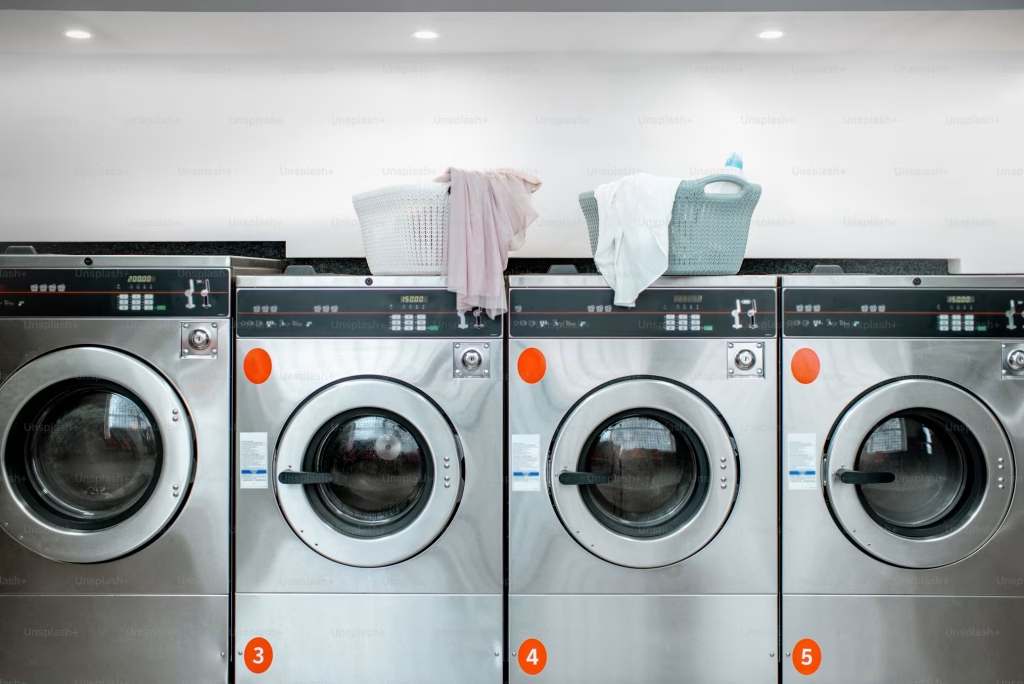
To help project managers visualize the journey, the following table outlines the standard 2026 timeline for a medium-to-large-scale facility installation.
| Milestone Phase | Primary Activities | Estimated Duration |
| Week 1-4: Planning | Site survey, architectural blueprints, and utility permits. | 1 Month |
| Week 5-8: Foundation | Concrete reinforcement, drainage trenching, and curing. | 1 Month |
| Week 9-12: Rough-In | Installation of main steam, water, and electrical headers. | 1 Month |
| Week 13-14: Delivery | Rigging, placement, and leveling of heavy machinery. | 2 Weeks |
| Week 15-17: Hook-up | Final plumbing, chemical lines, and IT integration. | 3 Weeks |
| Week 18-20: Testing | Dry/Wet runs, safety validation, and staff training. | 3 Weeks |
Phase 6: Staff Training and Handover
The final stage of a professional industrial laundry installation is the human element. Even the most advanced AI-driven tunnel washer is only as effective as the team operating it. The handover process must include comprehensive training on three levels: Operational (how to run the wash programs), Safety (emergency stop locations and chemical handling), and First-Line Maintenance (clearing lint filters and checking for leaks).
Many facilities fail because they treat training as an afterthought. However, a well-trained staff can reduce machine wear and tear by 20%. During this phase, it is also recommended to establish a “Digital Logbook” where every maintenance action is recorded via a tablet-based CMMS (Computerized Maintenance Management System).
This digital record-keeping is an essential part of What is Industrial Laundry? 2026 Guide to Services, Systems & Costs, as it ensures that the warranty remains valid and that the facility’s resale value is preserved through a documented history of care.
Budgeting for Installation: Hidden Costs to Anticipate
When calculating the total investment for an industrial laundry installation, many developers focus solely on the purchase price of the machinery. However, the “soft costs” of bringing a plant online can often account for 15% to 25% of the total project budget. In 2026, the complexity of environmental compliance and high-precision rigging has made these hidden costs a primary concern for financial planners.
The first major hidden expense is “Rigging and Specialized Logistics.” Industrial tunnel washers and 500 lb extractors cannot be moved with standard forklifts; they require heavy-duty cranes, hydraulic jacks, and specialized floor-loading blankets to prevent cracking the concrete during transit.
Furthermore, the initial “Chemical Fill” is a significant upfront cost. A large-scale facility may require 5,000 to 10,000 gallons of concentrated alkalis, surfactants, and sours just to prime the delivery lines and fill the chemical room tanks.
Finally, the cost of “Utility Interconnects” often surprises new owners. While the main water and gas lines may be present at the site, the custom manifolds, high-pressure steam traps, and stainless steel chemical-resistant drainage trenches required for an industrial laundry installation are premium components with high labor costs.
For a comprehensive look at how these installation variables impact your long-term profitability, our Industrial Laundry Services: The 2026 Strategy Guide for On-Premise vs. Outsourcing provides a comparative analysis of capital expenditure versus long-term service contracts.
The Pre-Load Checklist: 24 Hours to Production
Before the first bag of soiled linen is opened, the project manager must complete a “Zero-Failure” audit. This ensures that the industrial laundry installation has transitioned from a construction project to a sanitized production environment. In 2026, this audit is typically performed using an IoT-enabled tablet that records the data directly into the facility’s digital twin.
- Vibration Validation: Ensure all anchor bolts are torqued to manufacturer specifications and that isolation pads show no signs of premature compression.
- Steam Trap Integrity: Verify that all steam lines are free of “condensate knock” and that traps are cycling correctly to prevent heat loss.
- Chemical Injection Calibration: Perform a titration test on a sample wash to confirm that the pH levels at each stage of the cycle match the programmed formula.
- E-Stop & Safety Barrier Test: Physically trigger every emergency stop button and light curtain to ensure 100% worker safety compliance.
- Drainage Flow Rate: Confirm that the main sump can handle a simultaneous “Dump” from multiple machines without back-siphoning into the cleanroom area.
This rigorous final check is a cornerstone of a sustainable industrial laundry practice, ensuring that no resources are wasted during the initial startup phase. If a leak or a calibration error is found 24 hours after production starts, the cost of the “Stop-and-Fix” is triple the cost of a pre-production audit.
Conclusion: Engineering a Decades-Long Asset
An industrial laundry installation is more than a mechanical setup; it is the physical manifestation of your business strategy. Whether you are building a boutique OPL for a luxury hotel or a massive regional textile plant, the quality of the installation dictates the quality of your output. By following a structured, phase-based approach—from structural vibration management to precision chemical integration—you transform raw machinery into a high-performance asset.
As the industry moves toward greater automation and lower resource consumption, the foundation you lay during the installation phase will determine your facility’s ability to remain competitive and profitable in the decade to come.
FAQs: Industrial Laundry Installation
How thick does the concrete floor need to be for an industrial washer?
For most industrial laundry installations, a reinforced concrete slab of 12 to 18 inches is required. However, the most important factor is “Mass.” The concrete pad should ideally weigh 1.5 to 2 times the weight of the machine to effectively dampen the vibrations during high-speed extraction.
Can I install industrial laundry equipment on a second floor?
It is possible but requires significant structural engineering. You must use “Soft-Mount” machines with internal suspension systems rather than “Hard-Mount” machines. Additionally, a secondary steel support frame and liquid-tight floor membranes are mandatory to prevent structural damage and leaks to the floor below.
What is the most common mistake in a new laundry installation?
Under-sizing the utility headers. If your water or steam pipes are too small, the machines will “starve” for resources when running simultaneously, leading to significantly longer cycle times and inconsistent wash quality. Always size your headers for “Peak Demand,” not “Average Usage.”
How much clearance is needed between machines?
A minimum of 24 to 36 inches is recommended for maintenance access. However, for large tunnel washers, you may need up to 5 feet of clearance on the drive side to facilitate motor replacements or belt tensioning without dismantling adjacent equipment.
Do I need a specialized plumber for an industrial laundry?
Yes. A standard residential plumber is often unfamiliar with high-pressure steam systems, chemical-resistant PVC-C piping, and the specific venting requirements for industrial gas dryers. Always hire a contractor with documented experience in industrial laundry installation to ensure code compliance.
 English
  Spanish